
How to help your child get the sleep they need

Updated: Jan 12
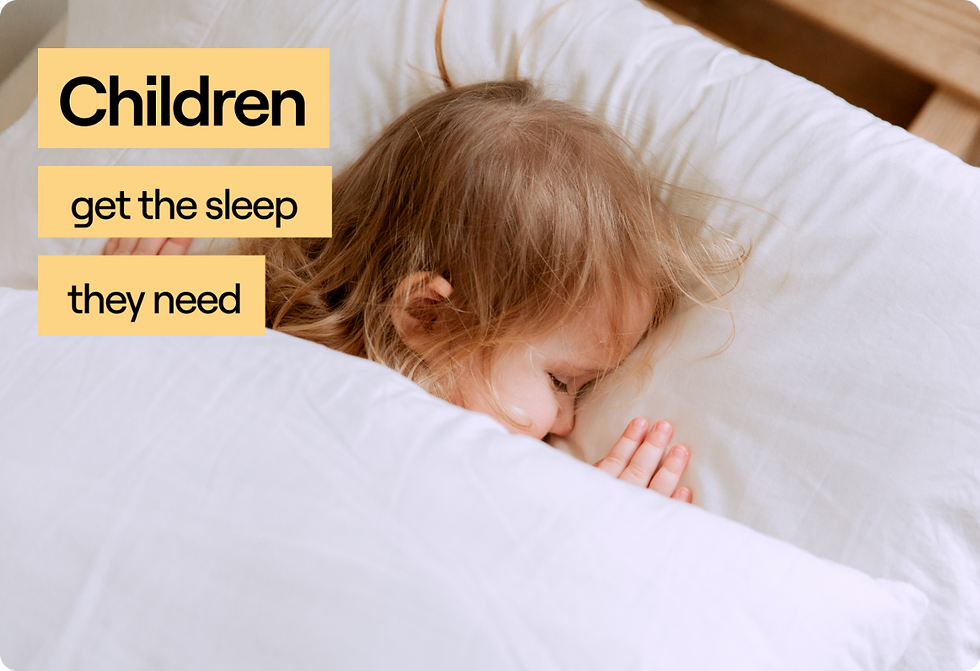
Sleep plays a vital role in a child’s physical growth, emotional wellbeing, and cognitive development. Yet many parents struggle with bedtime resistance, night wakings, or children who simply don’t seem well rested. The good news is that healthy sleep habits can be built—and small, consistent changes often make a big difference.
Why Sleep Is So Important for Children
Adequate sleep supports nearly every aspect of a child’s health. During sleep, the body grows, the immune system strengthens, and the brain processes learning and emotions. Children who don’t get enough sleep may experience:
Difficulty concentrating or learning
Mood changes, irritability, or anxiety
Weakened immune function and more frequent illness
Behavioural challenges and daytime fatigue
Recommended sleep duration varies by age, but most school-aged children need 9–12 hours per night, while teenagers need 8–10 hours.
Establish a Consistent Sleep Routine
One of the most effective ways to improve sleep is consistency. A predictable bedtime routine helps signal to your child’s body that it’s time to wind down.
Try to:
Set the same bedtime and wake-up time every day (including weekends)
Follow a calming routine before bed, such as bathing, reading, or quiet conversation
Keep the routine short, simple, and consistent
Consistency builds trust and helps children feel secure at bedtime.
Create a Sleep-Friendly Environment
A child’s sleep environment can strongly influence sleep quality. Ideally, the bedroom should be:
Quiet – limit background noise or use white noise if helpful
Dark – blackout curtains or dim lighting can improve sleep onset
Cool and comfortable – slightly cooler rooms promote better sleep
Screen-free – remove TVs, tablets, and phones from the bedroom
Screens emit blue light, which can interfere with melatonin production and delay sleep.
Be Mindful of Daytime Habits
Sleep doesn’t start at bedtime—it’s shaped by the entire day.
Helpful daytime habits include:
Regular physical activity (earlier in the day is best)
Limiting caffeine and sugary drinks, especially in the afternoon
Avoiding long or late naps for older children
Ensuring exposure to natural daylight during the day
These habits help regulate your child’s internal clock.
Address Stress and Anxiety
For some children, difficulty sleeping is linked to worry, stress, or fear—especially around school, social changes, or big life transitions.
You can help by:
Talking openly about worries earlier in the day
Teaching relaxation techniques such as deep breathing
Offering reassurance and a sense of routine and safety
Avoiding stressful conversations close to bedtime
If anxiety significantly affects sleep, professional guidance may be helpful.
When to Seek Medical Advice
Occasional sleep problems are normal, but persistent issues may need medical attention. Speak with a healthcare provider if your child:
Snores loudly or has breathing pauses during sleep
Has frequent night terrors or sleepwalking
Shows ongoing daytime sleepiness or behavioural changes
Struggles with sleep despite consistent routines
A primary care provider can assess sleep concerns, rule out medical conditions, and offer tailored guidance.
Supporting Healthy Sleep, Together
Helping your child sleep well is an investment in their long-term health and wellbeing. With consistent routines, a supportive environment, and early attention to concerns, most children can develop healthy sleep habits that last.
If you have questions about your child’s sleep or overall health, your primary care team is here to help.


Comments